Selling a home in King County
Most of a sale is decided before the listing goes live, in the repairs, the price, the photographs and the timing of the launch. After that comes a plan for offers and the negotiation through closing.

How should I prepare my house before listing?
Fix what an inspector will write up, clean and clear everything else, and renovate only when the math is obvious. A pre-listing inspection is often worth doing, especially on older Seattle houses, because it lets us fix or disclose problems on our own schedule.
The usual list in this climate: moss off the roof and out of the gutters, rot repaired around decks and window trim, the furnace or heat pump serviced, and a sewer scope if the side sewer is old. Inside, paint in quiet colors, replace tired light fixtures and every dead bulb, and deep clean the windows, because in a Northwest winter the light through them is the whole point.
Staging depends on the house. Vacant homes almost always benefit from furniture. Lived-in homes usually need editing: fewer things on every surface, and closets with space left in them.
What do Washington sellers have to disclose?
Sellers of most residential property complete a disclosure statement, known locally as the Form 17. Fill it out early and carefully. Buyers can rescind within three business days of receiving it, and vague answers invite questions at the worst moment. Any questions about your obligations belong with a real estate attorney.
How is a list price set?
From closed sales of like homes nearby, adjusted by hand, then checked against what’s active and pending right now. The final number is always your decision, and I’ll show you every comparable sale and my reasoning.
I compare your house only with its own kind. A townhouse with townhouses. A view home with view homes. A house on a busy arterial with others on busy arterials. A lakefront lot is its own category entirely. Square footage alone is a poor guide in a county where a 1920s bungalow and a new build on the same block can be the same size and very different houses.
Pricing is also strategy. A price set a little under the likely value can draw more buyers, and an offer review date can bring them together on one day. A price at full value with offers taken as they come suits other houses. We’ll choose based on your house and what’s competing with it the weekend it launches.
Presentation standards
A buyer’s first showing happens on a phone screen. These are the standards I hold every listing to, scaled to the house.
- Photography
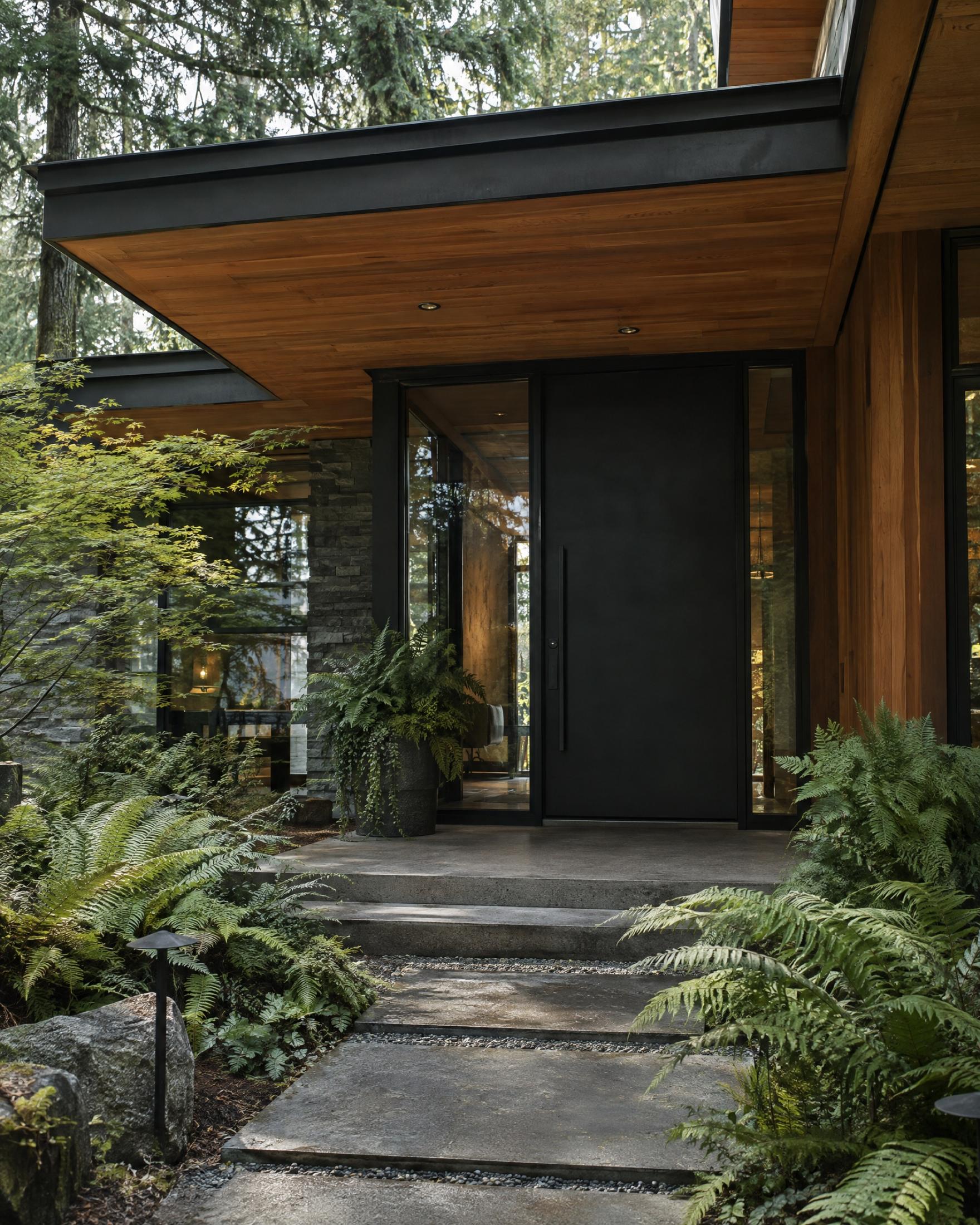
- Professional architectural photography, scheduled for the light the house actually gets. West-facing view homes are shot late in the day. Forest lots often look best under bright overcast.
- Twilight
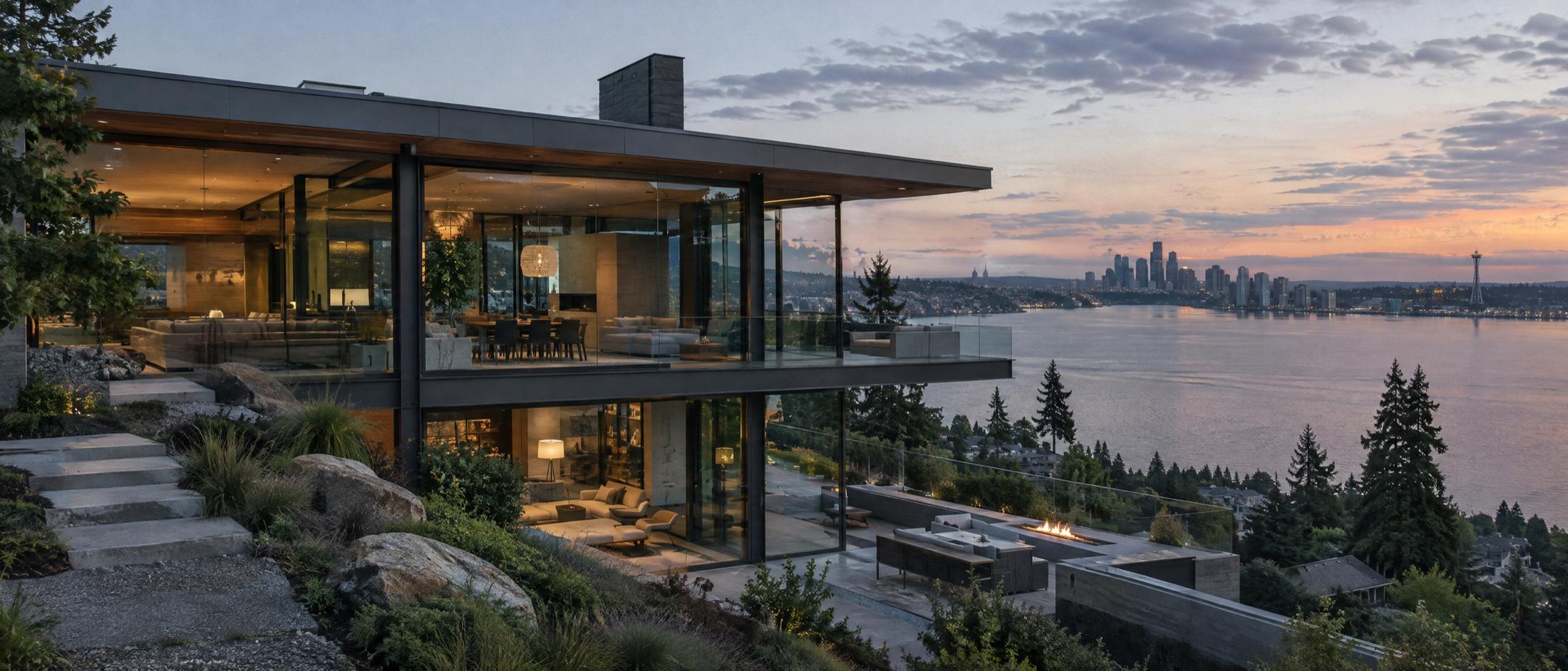
- Exterior twilight frames when the house has lit glass, a view, or an entry worth waiting for.
- Floor plan
- A measured floor plan, so buyers touring from out of state can understand how the rooms connect.
- Video and aerials
- A walk-through video, and aerial photos where the lot or view warrants them and the airspace allows.
- Listing remarks
- Written for the house, in plain language. Street, light, rooms and what has been updated, with no stock phrases.
- Showings
- Scheduled with the notice you ask for, with pets, parking and shoe rules written into the instructions, and feedback passed on afterward.
What happens in the first week on the market?
The listing goes live on the Northwest MLS, feeds out to the major home search sites, and the first wave of buyers tours. Everything should be ready before that moment.
That means the house cleaned and staged, with disclosures and any pre-inspection report ready for buyers’ brokers. If we set an offer review date, it usually falls after the first weekend so buyers have time to tour and arrange a pre-inspection. I stay in touch with the brokers who show the house, because what they say in the first few days tells us a lot about where offers will land.
How do you handle multiple offers?
I lay every offer out side by side and walk you through each term: price, escalation, earnest money, financing and down payment, contingencies, closing date and any rent-back.
A cash offer with no contingencies at a slightly lower price can be stronger than a higher number that depends on an appraisal and an inspection. I call the buyers’ brokers to confirm what I can, including how firm the financing is. Then we decide together whether to accept, counter, or ask for final offers.
With a single offer there is usually time to counter. Terms can be traded against price: a later closing for a higher number, a rent-back, or a smaller repair credit.
What happens between mutual acceptance and closing?
The buyer’s inspection and any repair request, the appraisal if the buyer is financing, then title and escrow. In Washington an escrow officer handles the closing, and the deed records with King County once everything is signed and funded.
I negotiate any repair requests, stay in contact with the escrow officer, the buyer’s broker and the lender, and keep you ahead of each deadline. Timelines vary with the contract and the buyer’s financing.
What does it cost to sell a home in Washington?
The main costs are brokerage compensation, the state and local real estate excise tax, escrow and title charges, and paying off any loans. I prepare an estimated net sheet before we list so none of it is a surprise.
- Brokerage compensation. Negotiable, and set in the listing agreement, along with anything you choose to offer toward a buyer’s broker.
- Real estate excise tax. Washington’s tax on the sale is graduated by price, plus a local portion, and it is the seller’s obligation.
- Escrow and title. Escrow fees are commonly split, and the seller customarily provides the buyer’s owner’s title policy.
- Payoffs and prorations. Loans, property taxes and any association dues are settled at closing.
Your escrow officer will confirm the exact figures, and tax questions belong with your CPA.